
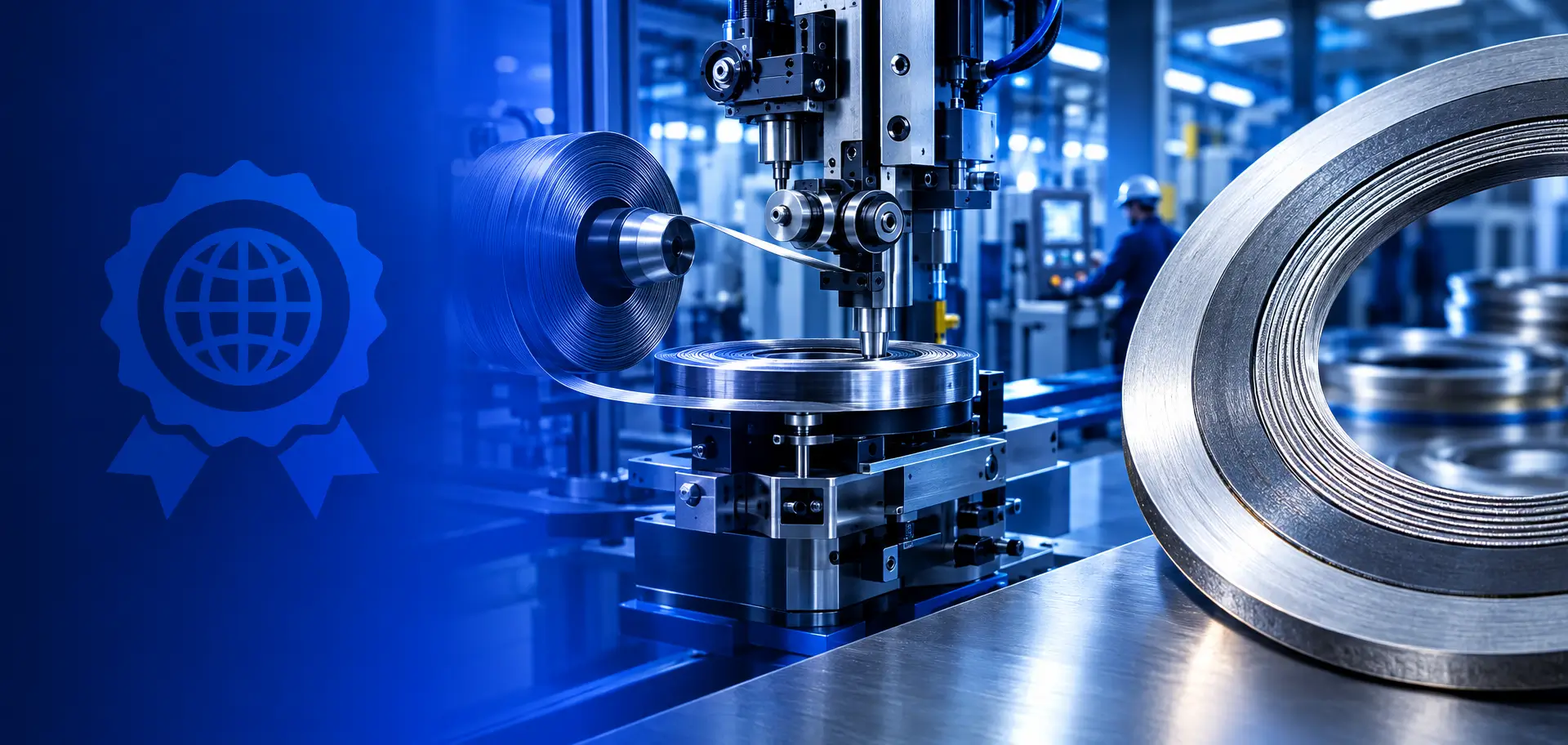
Spiral Wound Gasket & Metal Gasket Manufacturer in China
Ningbo Kaxite Sealing Materials – Your trusted partner for the design and manufacture of high-performance seals and packings.

Innovative Sealing Solutions from a Leading China Manufacturer
Partner with Ningbo Kaxite for traceable, engineered solutions that tackle complex industrial challenges.
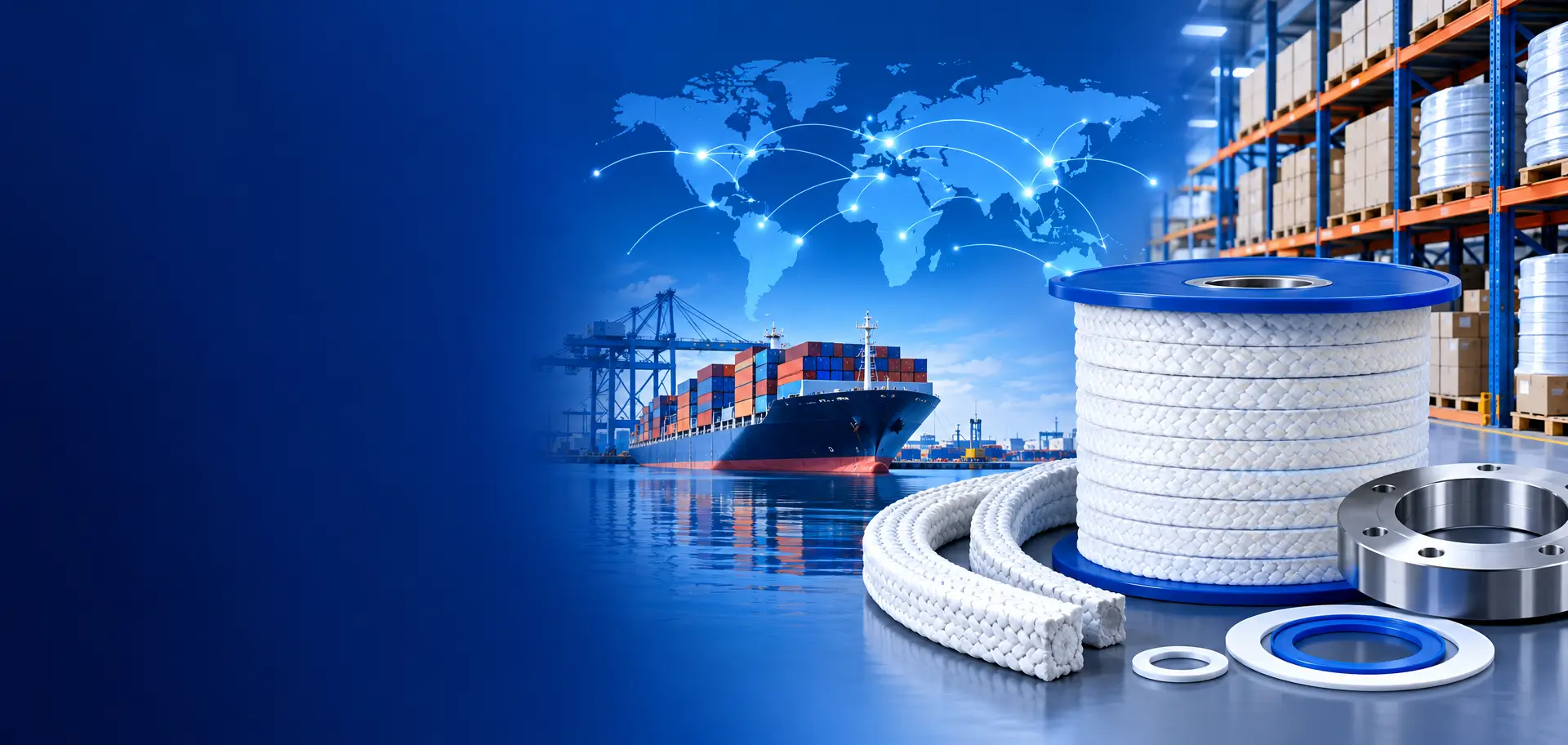
Your Expert Seals & Packings Manufacturer in China
We deliver durable, cost-effective sealing solutions that enhance performance and minimize downtime for your operations.


About Us
Ningbo Kaxite Sealing Materials Co., Ltd. is based in Ningbo, Zhejiang Province, China. Kaxite is one of the biggest sealing and heat preservation products manufacturers in China. Kaxite supplies overall solutions for Metal Gaskets, Non-metallic Gaskets, Braided Packings, and Compressed Gasket Sheets, creating more value for customers worldwide.
View Details


ISO 9001:2015 Certified
China Gasket Manufacturer —
China Gasket Manufacturer —
Sealing Solutions for Critical Infrastructure
KAXITE Sealing supplies high-performance spiral wound gaskets, metal gaskets, braided packing, and PTFE seals to oil & gas, chemical, and power generation sectors across 40+ countries. OEM/ODM with 30+ years of engineering expertise.
50 pcs
MOQ for Standard Gaskets
5-15 Days
Sample Lead Time
EXW / FOB / CIF
Flexible Trade Terms
Custom
OEM / ODM Solutions
🏭
Full-Scale Manufacturing Hub
6,000 m² integrated facility in Ningbo, China with automated cutting, die-forming, and braiding lines — factory-direct sourcing.
🧪
In-house Testing Lab
Creep relaxation, sealability, and tensile tests on every batch. Certified test reports included with every order for procurement compliance.
🌍
Global Export Network
Trusted supply channels across Europe, North America, Australia, and Southeast Asia — one-stop sourcing from China with reliable logistics.
Sealing Solutions by Industry
Precision sealing products supplied globally from China
✓ ISO 9001:2015 ✓ ASME B16.20 ✓ API 607 ✓ NACE MR0175 ✓ DIN 2699 ★ China Manufacturer
Frequently Asked Questions
Q: What sealing products do you manufacture in China?
A: As a professional China gasket supplier, KAXITE manufactures spiral wound gaskets, ring joint gaskets, kammprofile gaskets, expanded graphite gaskets, PTFE gaskets, braided packing, and custom sealing solutions.
Q: How can I source gaskets directly from China?
A: Contact KAXITE Sealing for factory-direct pricing, OEM/ODM services, and competitive wholesale quotes. We offer full procurement support with global shipping from Ningbo, China.
Q: Do you provide material certificates for export orders?
A: Yes. Every international shipment includes a material test report. EN 10204 3.1 and 3.2 certificates are available upon request for procurement compliance.


